
Austrian Alliance Strengthens the Foundation of Pankl Racing Systems AG.Strong Austrian Partners Pave the Way for Sustainable Growth.

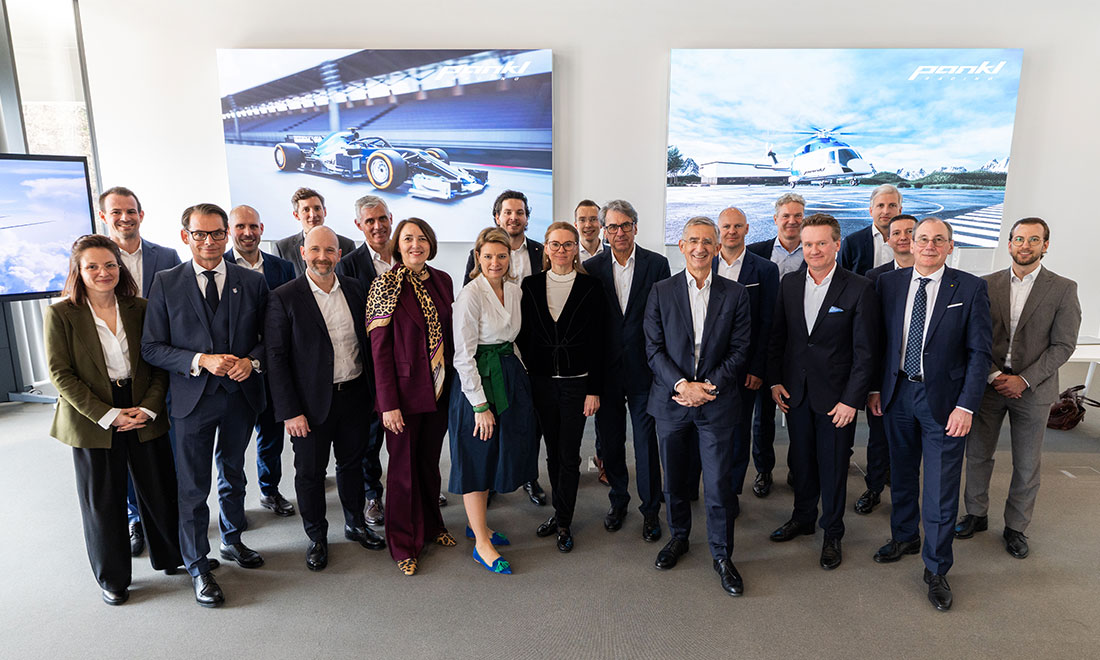
Pankl Racing Systems AG, headquartered in Kapfenberg, Styria, announces the entry of an Austrian consortium into the company. The Styrian KNILL Group, the Raiffeisen-Landesbank Steiermark and Invest AG are acquiring two thirds of the shares from Pierer Industrie AG. The sale is subject to the condition precedent of approval by the relevant authorities.


Strong Austrian Alliance Secures Sustainable Growth


Following the transaction, the KNILL Group will hold one third, while Raiffeisen-Landesbank Steiermark and Invest AG will each hold one sixth of Pankl Racing Systems AG. The previous majority shareholder Pierer Industrie AG will remain actively engaged in the company with a one-third stake. This new consortium paves the way for a successful future for Pankl Racing Systems AG – to consolidate its leading position in the high-performance segment, secure a course of profitable long-term growth, and continue to expand global market leadership.


“We are very pleased about this Styrian-Austrian solution, which positions Pankl Racing Systems as an independent and innovative technology leader going forward,” emphasises Wolfgang Plasser, CEO of Pankl Racing Systems AG. “Together with our new partners, we are pooling know-how, regional ties and financial stability to further expand our market position and open up new areas of growth.”
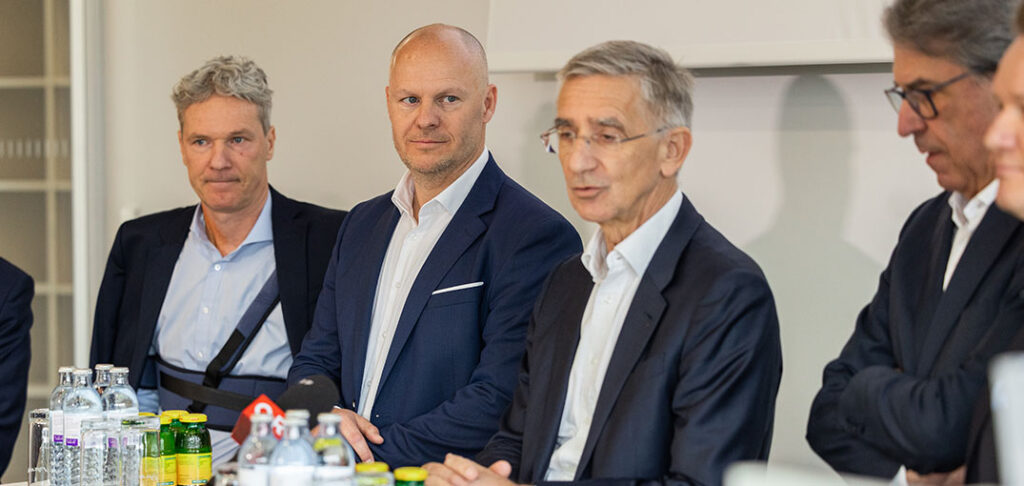
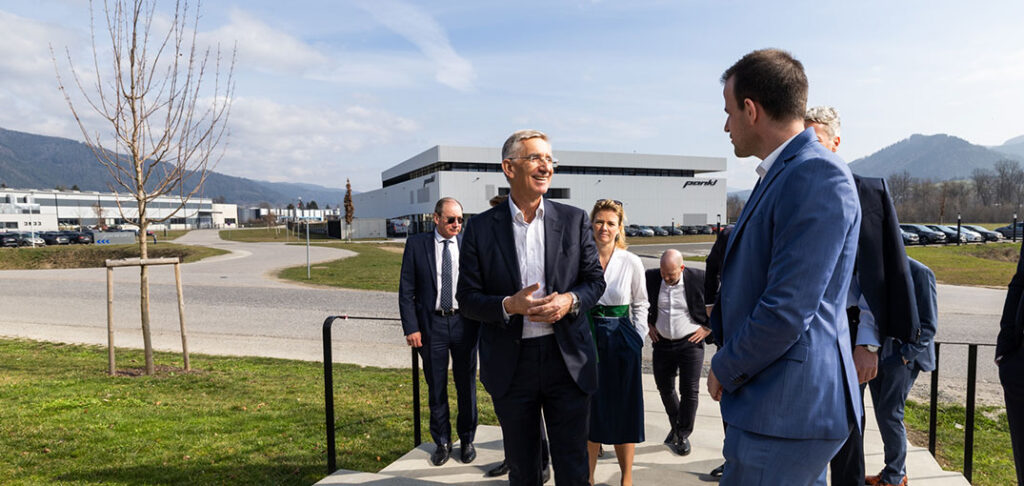
Statements from the Shareholders Involved


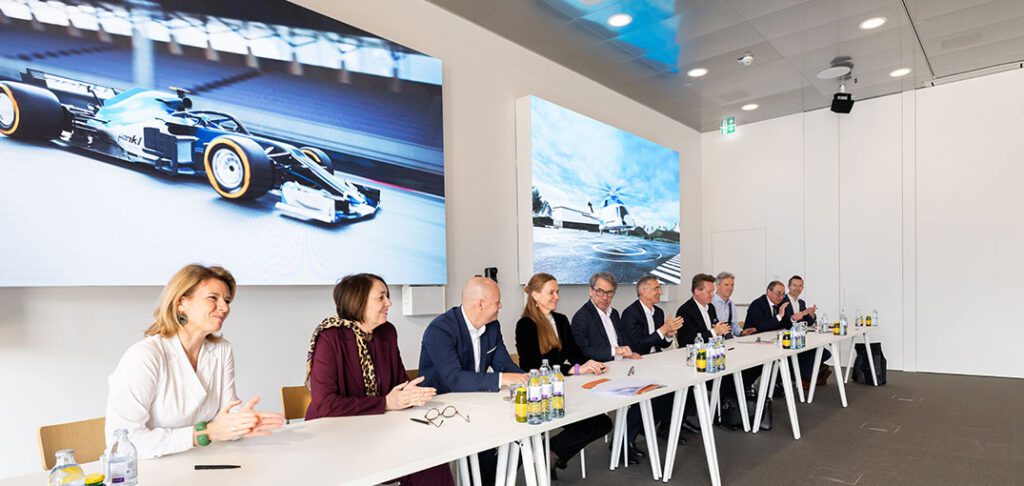
“By acquiring a stake in Pankl Racing Systems, we are taking on responsibility for another internationally successful technology leader from our home region, and we look forward to actively and sustainably shaping its future development,” say Christian Knill and Georg Knill, owners of the Knill Group, adding: “With this step, the Knill Group is strengthening its commitment to the advancement of innovative industrial companies in Styria.”
“Together with the Knill Group, Raiffeisen is contributing to the further strengthening of Styrian industry and the business location. Pankl Racing Systems is an exemplary demonstration of technological expertise, top performance and international competitiveness from Austria,” explains Martin Schaller, CEO of Raiffeisen-Landesbank Steiermark.

“This consortium demonstrates a clear commitment to the Styrian location and underscores our full confidence in the strategy and innovation potential of Pankl Racing Systems AG. As a core shareholder, we embrace our responsibility and will continue to actively support the path the company has taken,” adds Stefan Pierer, sole shareholder of Pierer Industrie AG.


About the Knill Group
The Knill Group, led in its 12th generation by brothers Christian and Georg Knill, invests strategically in innovative companies that actively shape the future of industry and technology. The corporate group, headquartered in Weiz, is today one of the internationally leading manufacturers of products, services and production systems for the global energy, communications and mobility infrastructure. With 31 companies in 17 countries and around 3,000 employees, the Group generates annual revenues of over 600 million euros. (www.knillgruppe.com)


About Pierer Industrie AG
Pierer Industrie AG is a European industrial group with a focus on Automotive, Aerospace and Electronics. Its portfolio comprises strategic stakes in world market leaders such as Pankl Racing Systems (Racing & Aerospace), LEONI (Energy & Data Management), Rosenbauer (fire-fighting technology, fire and disaster protection) as well as SHW AG and abatec GmbH (electronic controls). Further information at: www.piererindustrie.at


About Pankl Racing Systems AG
Pankl Racing Systems AG, headquartered in Kapfenberg, is a leading manufacturer of high-performance components in the niche markets of motorsport, the high-end automotive sector and aviation. The Austrian company was founded in 1985 and currently employs around 2,150 people, more than 1,500 of them in Austria. Most recently, annual revenues of around 360 million euros were generated.
Pankl Racing Systems AG stands for innovation, quality and the highest precision. Further information at: www.pankl.com


About Raiffeisen-Landesbank Steiermark
Raiffeisen-Landesbank Steiermark is the apex institution of the Raiffeisen Banking Group Styria and is one of Austria’s most important regional banks. It stands for stability, innovation and regional responsibility, and is active in all key areas of banking – from traditional lending to institutional capital markets. Raiffeisen-Landesbank Steiermark plays an active role as an investor in forward-looking companies, generating added value both for the companies themselves and for the region. Further information at: https://www.raiffeisen.at/stmk/rlb/de/

About Invest AG
Invest AG is the leading Austrian private equity fund, specialising in the provision of equity, equity-like capital and mezzanine capital for companies of various sizes. With its evergreen fund structure, Invest AG has had a strong presence in Austria, the German market, Switzerland and, more recently, Italy for over 30 years, and currently manages fund assets of around half a billion euros.
The typical investment focus is on transactions ranging from 2 to 50 million euros in the form of minority transactions, as well as mezzanine financing. Invest AG’s sector focus is generally flexible, with a preference for consumer goods and retail, industry, technology, software, food, pharma & Life Sciences and medical technology. With currently around 56 portfolio companies, a total annual portfolio revenue of approximately 14.9 billion euros and 135,000 jobs, Invest AG stands for long-term partnerships with companies in various sectors across the German-speaking world. Further information at: www.investag.at
Drive to Survive – Additive Manufacturing in motorsports

We are in the middle of the Formula One season and most of us have already watched the latest season of “Drive to survive”. But what many fans don’t know is that additive manufacturing has made its way into the premier league of motorsports. Unthinkable ten years ago, it is now a standard manufacturing method at the world’s most famous racetracks.

Additive Manufacturing in formula one

Additive manufacturing has taken some time to establish itself in high-performance motorsport. The COVID-pandemic, regulation freezes or cost caps initially slowed down progress. Motorsports demands the highest quality standards. There are no races, where vehicles do not finish a race due to a material or vehicle failure. The development of additive manufacturing has made a decisive contribution to meeting these standards.

Over the years, Pankl has invested in expanding research and development, particularly in the field of lightweight construction. Today, additive manufactured components are used in many areas of Formula One. In the field of aerodynamics, wing designs are a preferred solution, as they can be quickly modified and adapted to the latest developments. However, hydraulic components and engine parts also benefit from the technology, particularly through weight savings and optimized flow properties.

For safety reasons: the roll hoop

One very important additive manufactured component is the roll hoop of a Formula 1 car. This safety-critical part sits above the driver, at the highest point of the vehicle, and performs two essential tasks. Firstly, it defines the air intake for the engine. First: It defines the air intake for the engine. And second: it protects te driver in an accident, especially when the car turns upside down. The decisive factor for the protective effect is that the driver’s helmet always remains below a defined safety line. Its an imaginary connection between the front halo attachment and a defined point at the rear of the vehicle.

Thanks to this manufacturing technique, roll bars can be produced with complex structures, maximum stability and minimum weight. The use of carbon structures and titanium components ensures an ideal combination of strength and lightweight construction. In addition, 3D printing enables rapid adaptation to new design requirements and aerodynamic optimizations.

Additive manufacturing: key technology of the future?

Pankl has been working with additive manufacturing for more than ten years. “We see this technology as forward-looking, but not as a replacement for conventional manufacturing methods, but as a supplement to them. Our strategy is to use additive manufacturing specifically where it brings the greatest benefit,” says Stefan Seidel, CTO Pankl Racing Systems AG.

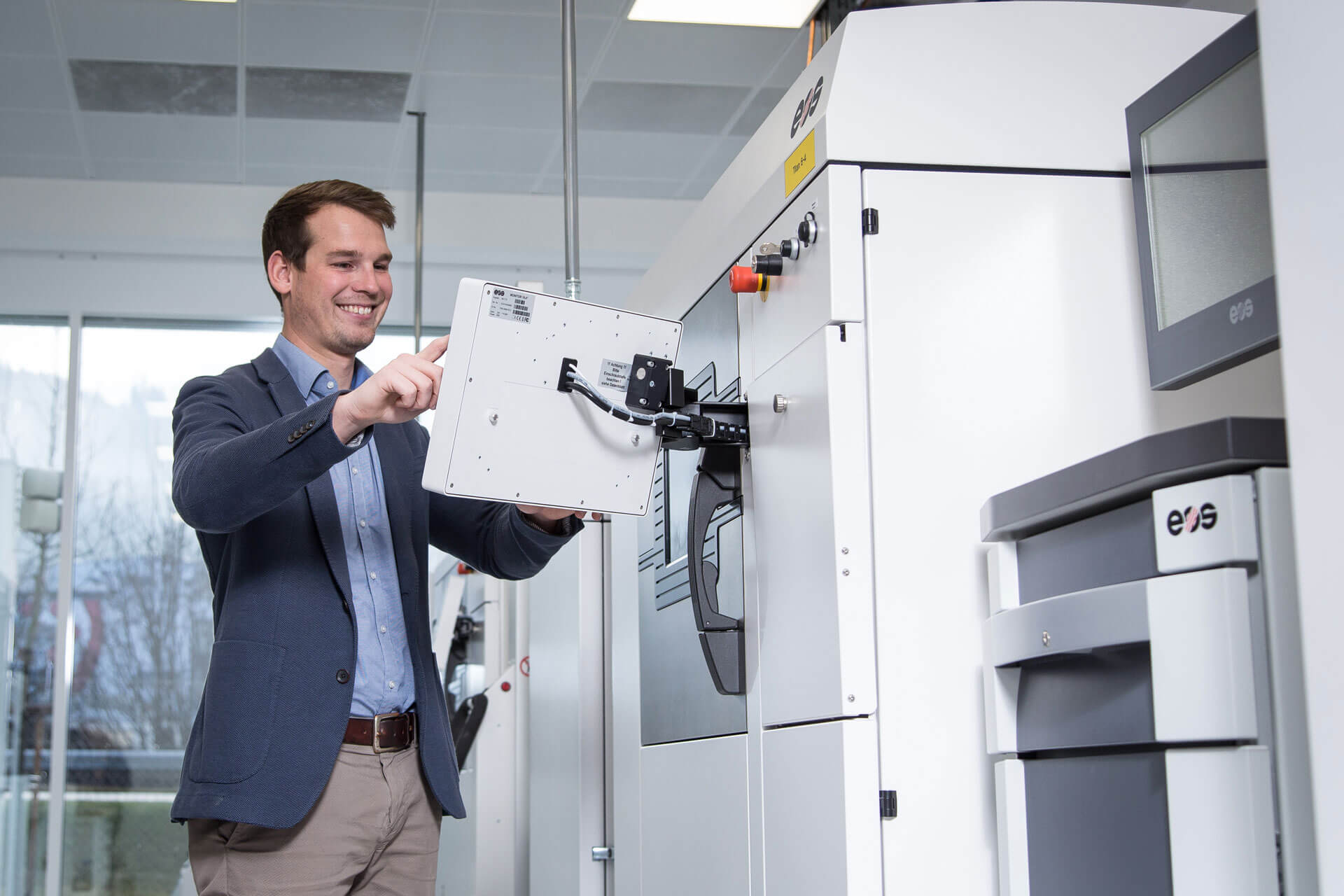
A decisive factor for the success of this technology lies in consistent quality assurance. Pankl works closely with partners such as EOS and voestalpine Böhler Edelstahl to develop new powders and optimize their quality, consistency and properties. Years ago, the company also invested in Hot Isostatic Pressing (HIP), a technology that significantly improves the fatigue properties of components and thus ensures even greater safety. “Thanks to our closed value chain – from powder development to production and final inspection – we are able to bring additive manufacturing to new applications and raise the performance of racing components to a new level,” says Seidel.

Raising Materials Science to the Next Level

Predicting the behavior of materials in actual application is fundamentally depending on knowledge gained in preceding investigations and development cycles in the field of material science. Dedicated research projects are driven forward within the entire Pankl Group, focusing on the enhancement of material characteristics by alloying concepts, specifically adjusted heat treatment cycles, or system-tailored surface refinements. The proximity to technical universities and research facilities additionally enables a close cooperation in this context, and thus contributes to Pankl’s self-imposed aspiration for technologically advanced high-performance automotive and aerospace components. However, application-oriented materials research—comprising also materials characterization and failure analysis—is a complex subject, which relies not only on highly qualified and experienced materials specialists but also on the allocated technical equipment.

New Scanning Electron Microscope for Materials Science at Pankl Engine Systems

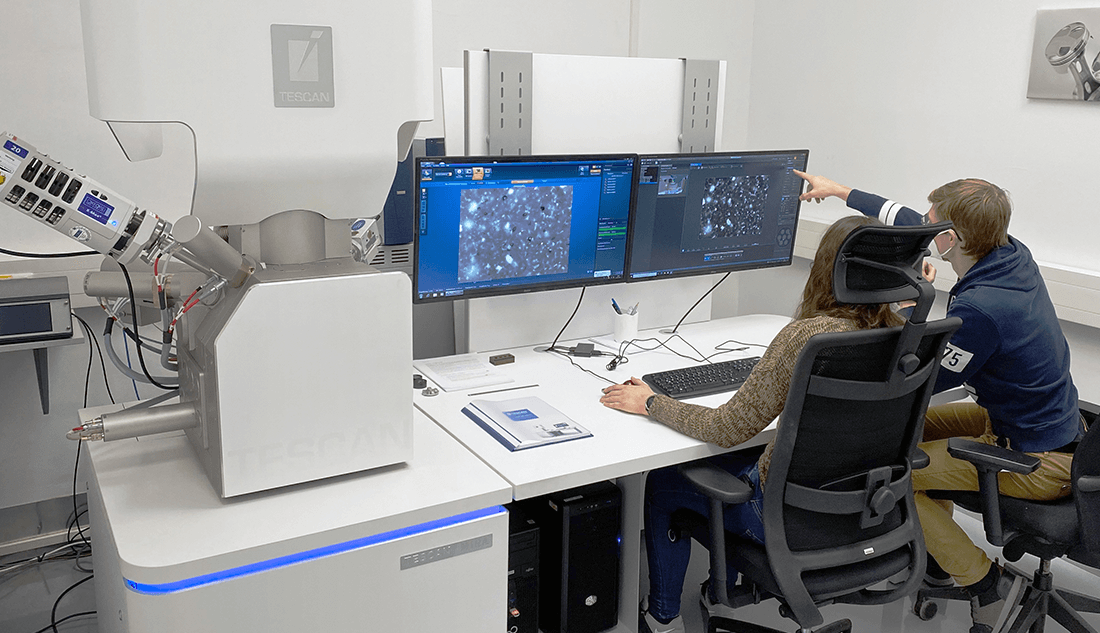
With January 2022, Pankl Engine Systems has replaced its former tungsten-filament scanning electron microscope (SEM) by a novel field emission gun (FEG) SEM.

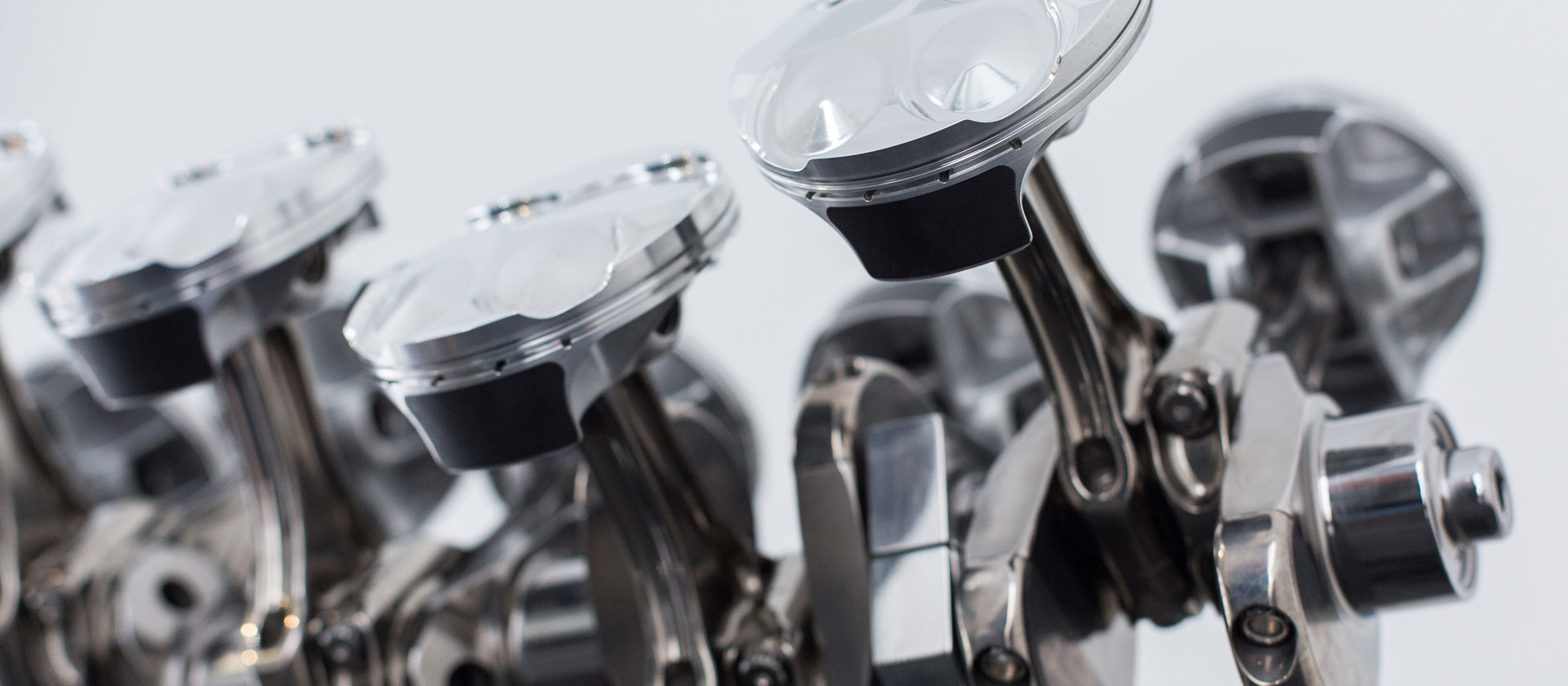
The new TESCAN MIRA 4 device is equipped with secondary electron (SE) and in-beam SE detectors, a 4-quadrant backscattered electron (BSE) and an in-beam BSE detector, a plasma cleaner as well as an energy-dispersive X-ray (EDS) detector for chemical analyses and element mappings. The advantages of a field emission electron source over a conventional tungsten-filament comprise a higher brightness, a more stable electron emission over time, and a significantly increased resolution. Detailed SEM analysis of, e.g., pistons and connecting rods that were used in Formula 1, MotoGP, NASCAR, or other high-performance engines is a key factor for success. It not only allows to assess the condition of the components’ functional surfaces but provides a solid basis for progressive improvement and development. The enhanced capabilities in combination with an optimized workflow guarantee for a more in-depth understanding of materials and related manufacturing processes. This vital investment thus represents a significant advance/benefit not only for Pankl Engine Systems but the entire R&D of the Pankl Group and corroborates its strategic direction towards state-of-the-art technologies.

(a) Ti-based metal powder particles for AM.
(b) Characterization of microstructural modifications and precipitation characteristics of a piston Al-alloy after heat treatment.
(c) Cross-section of a DLC coating system applied on piston pins acquired with in-beam SE and in-beam BSE detectors demonstrating the investigation capabilities at nano length scales.
(d) Etched microstructure of a connecting rod demonstrating the capabilities of various modes of the 4-quadrant BSE detector.
(e) Overview acquisition of a bolt used for titanium connecting rods.